

EA has pulled the plug on BioWare. On October 21, 2026, the studio announced its closure and the cancellation of the next Mass Effect, alongside a wider round of EA layoffs. One of gaming’s most celebrated RPG developers has reached the end of the road.
My blunt reaction? BioWare brought this on itself. It deserved to lose the audience whose trust it had squandered. I’ll get back to that.
From RPG classics to commercial failures
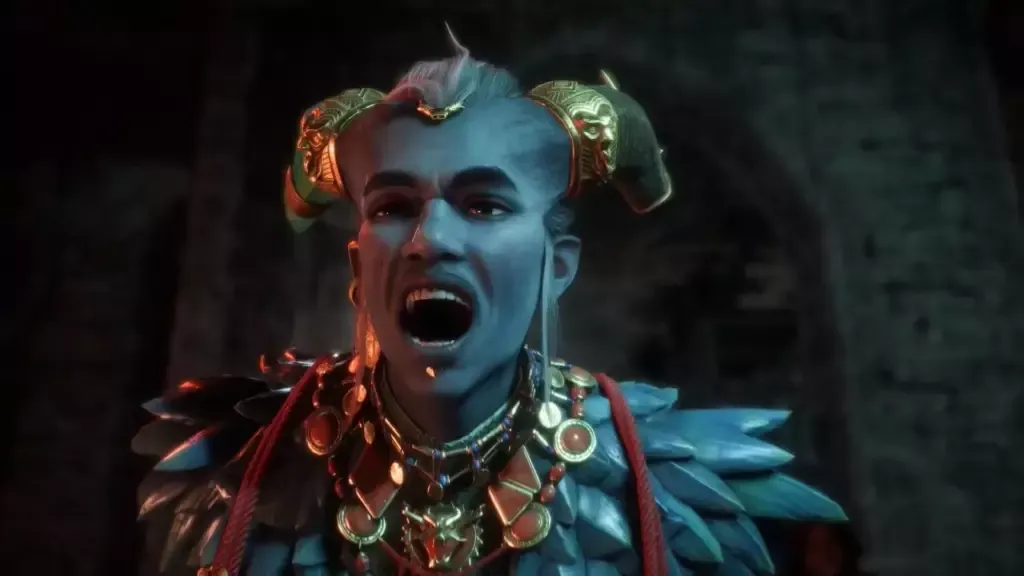
Founded in 1995 and acquired by EA in 2007, BioWare earned its reputation with Baldur’s Gate, Knights of the Old Republic, Mass Effect, and Dragon Age: Origins. These games offered memorable companions, difficult decisions, and worlds worth disappearing into. Later came the disappointing Mass Effect: Andromeda, the failed live-service gamble of Anthem, and finally Dragon Age: The Veilguard. PC Gamer
The commercial disappointment was real. EA reported that The Veilguard reached approximately 1.5 million players during its launch quarter, almost 50% below expectations. That measures players, rather than copies sold, but the missed target is clear. EA’s financial announcement
When the message takes over
For me, BioWare’s decline also reflects a creative problem: writing that lets contemporary political messaging crowd out convincing fantasy.
The Veilguard’s scene in which Isabela performs push-ups after misgendering Taash captures that problem. The game supplies an explanation through a fictional crew tradition, but I still find the result painfully instructional. A conversation that could reveal character instead feels like a lesson about acceptable behaviour. Scene coverage
That is what I object to in “woke” game writing: the sense that the audience is being corrected, with the story serving as the delivery mechanism. Writers can explore gender, identity, and politics. Players can judge the execution, dislike it, and spend their money elsewhere.
Jaguar’s controversial rebrand and the Bud Light backlash belong in this conversation about brands and their audiences. Neither justifies claiming those businesses “lost everything,” but both show how quickly corporate messaging can become a fight with potential customers. Jaguar and the comparisons with Bud Light
We cannot establish that identity politics caused BioWare’s closure. Its failures stretched across several games and business decisions. My criticism is that its later creative direction gave disappointed players another reason to walk away.
Other studios should take that seriously. If leadership values delivering an ideological message more than earning the audience’s interest, a famous name will only buy so much time.
Players owe no studio a purchase. BioWare’s legacy never entitled it to one.