

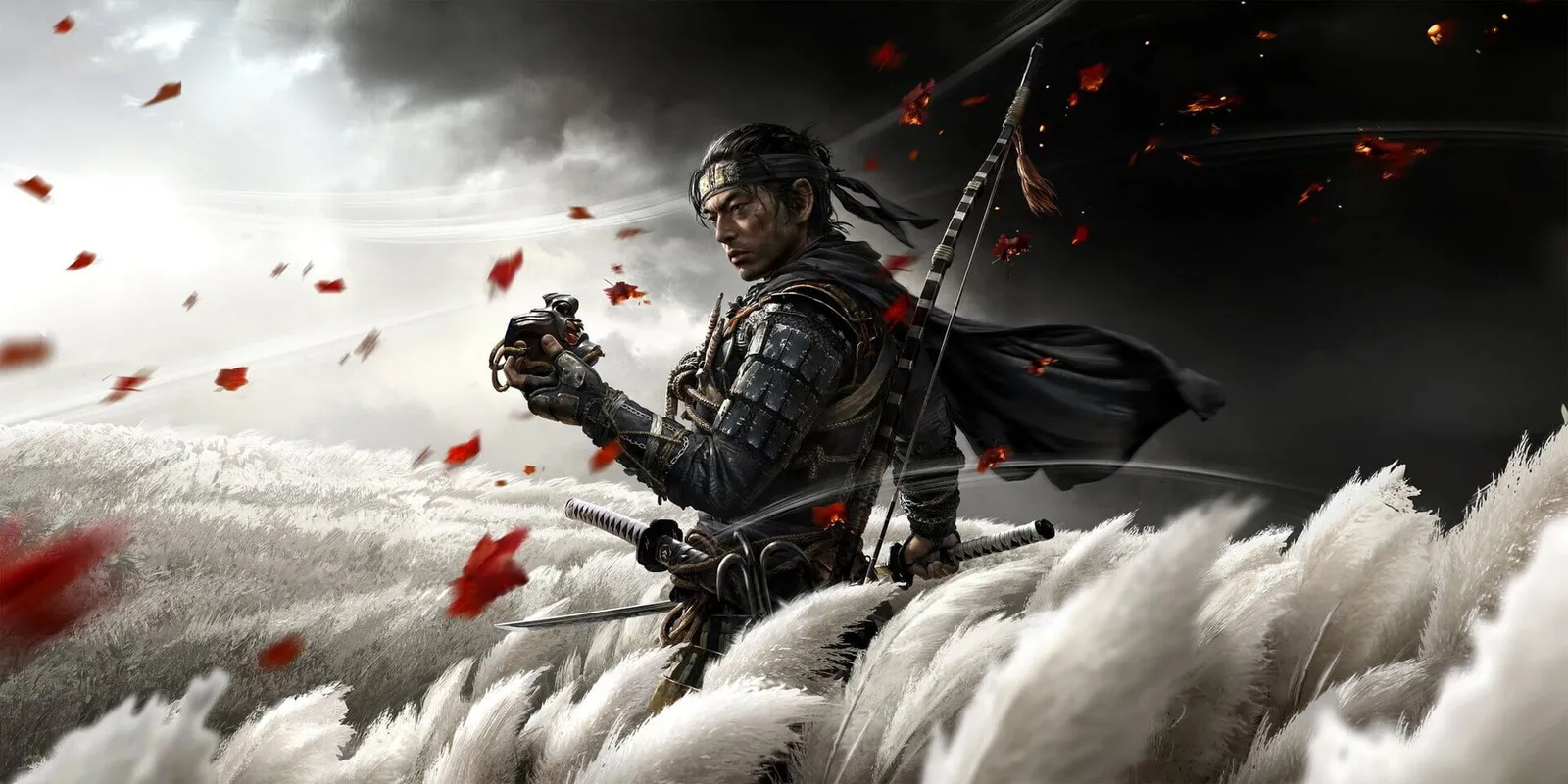
Ghost of Tsushima Director’s Cut makes a wonderful first impression. Wind sweeps across fields, leaves drift through the air, and every sword fight seems to unfold with purpose. There is a satisfying samurai adventure here, but its beautiful island struggles to justify the open-world structure wrapped around it.
A samurai becomes the Ghost
The story follows Jin Sakai, a samurai fighting to protect Tsushima from a Mongol invasion. With his home under occupation and the samurai's traditional approach proving inadequate, Jin begins adopting stealth and other tactics that challenge the code he was raised to follow. That conflict gives the story an interesting foundation: how far should a warrior stray from his principles to protect his people?
At first, Jin's struggle and the fight for the island are easy to invest in. As the journey goes on, however, the story starts to drag. Its central conflict remains interesting, but the pacing grows stale and the momentum of the opening becomes harder to maintain.
Swordplay and stealth worth mastering
Combat is the strongest reason to play. Sword fights feel fluid and satisfying, with solid animations that make each encounter a pleasure to watch and control. Different combat stances give the swordplay welcome variation, and switching your approach to deal with different enemies keeps a fight engaging.
Stealth is just as enjoyable. Slipping into an occupied camp, watching the guards and picking a way through without announcing your presence delivers the fantasy of being a ninja. Whether Jin walks into a confrontation or works from the shadows, the moment-to-moment action gives the adventure its best moments.
A beautiful island with too much repetition
Tsushima is wonderful to look at. Its landscapes, colours and atmosphere give the island a distinctive identity, and simply travelling through it can be a pleasure. The art direction does a great deal to make the setting memorable.
But beauty alone cannot carry an open world. The island often feels unfinished and empty, and after a while exploration becomes a matter of wandering from one familiar activity to the next. Repetition sets in, and even enjoyable combat cannot entirely disguise the feeling that you are doing the same things again and again.
That makes the open-world design feel half baked. The game rarely makes a convincing case for needing so much space. A world this large should offer more reasons to explore it, and here the distance between its best moments can become boring.
Beautiful details do not always add enough
The quieter activities fit the game's visual identity, but they do not all feel necessary. Writing poetry, for example, looks lovely and offers a pause from fighting, yet it adds little to the experience for us. It is another attractive detail in a world that could have used more substance.
There is still a good game underneath those frustrations. The combat and stealth are a pleasure, the setting is beautiful, and Jin's story has a solid premise even when its pace falters. If you can find it at a low price and enjoy its style of action, Ghost of Tsushima is worth playing. Just be prepared for an open world that does not live up to the quality of its swordplay.
 Add to Wishlist