

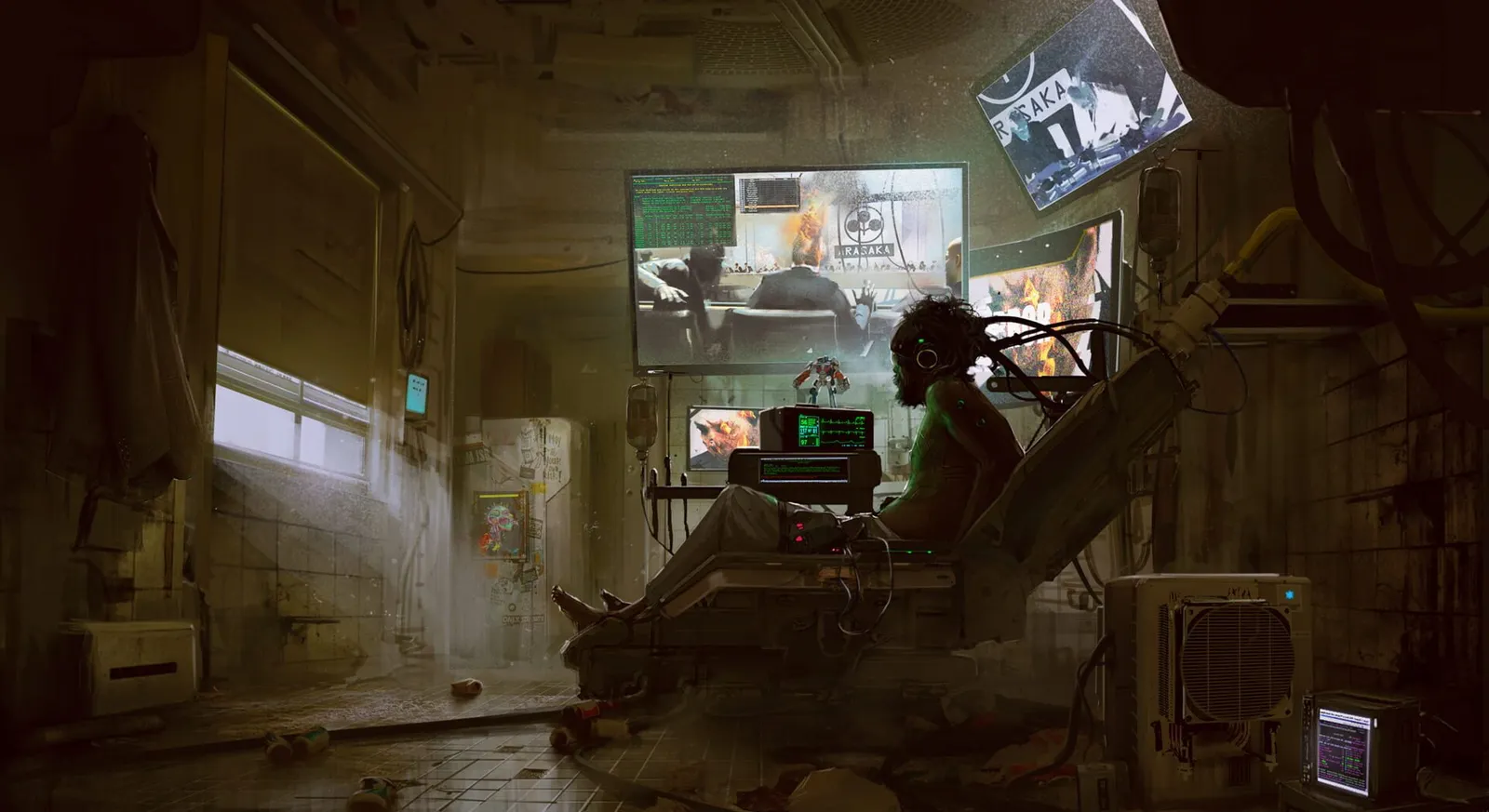
I was deep into Cyberpunk 2077, The Witcher 3 and Red Dead Redemption 2 when I noticed something strange. While the story was active, I never felt it. But once the final mission was done and the credits rolled, a sudden and slightly scary loneliness settled in. The same streets, the same roads, the same camps, and yet it all felt empty. I was not sad about the ending exactly. I was lonely in a world that had been full of life a few hours earlier. It turns out I am far from the only one.
It Has a Name
Players call it post-game depression, the game hangover or post-game emptiness. It is not a clinical diagnosis, but it is no longer just internet slang either. Researchers from SWPS University in Poznan built the Post-Game Depression Scale, a 17-item questionnaire tested on two groups of players (210 and 163 people) and published in Current Psychology. It measures things like rumination about the game, sadness over the ending, the urge to replay and a reduced ability to enjoy other media afterwards. The study found that role-playing game fans score highest, and that the feeling is linked to a tendency to ruminate. The authors describe it as a real, measurable experience, a specific kind of grief that resembles parting from someone you care about.
That matches what the biggest story-driven RPGs do. They are the games where you make the decisions, shape the character and spend a hundred hours with the same companions.
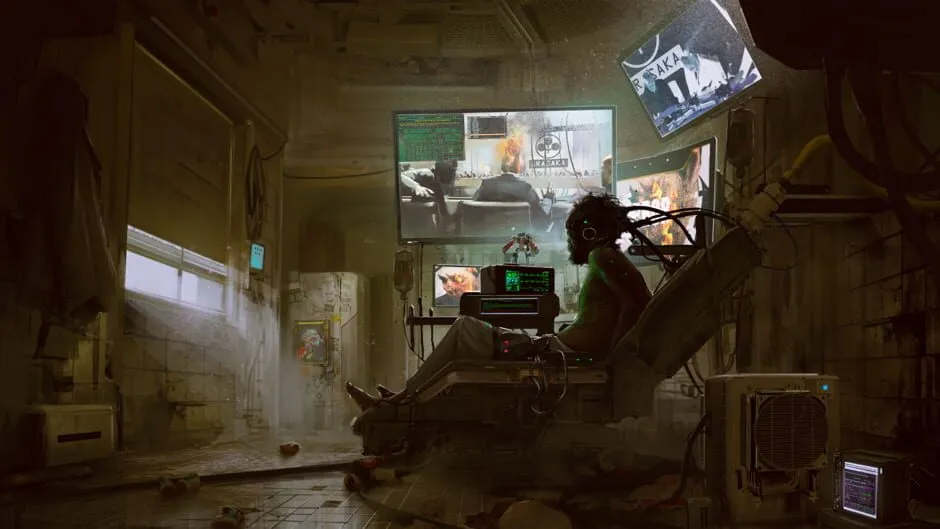
Why It Hits So Hard
You lose the friends you made
Over a long playthrough you form one-sided bonds with characters like Geralt, Ciri, Arthur Morgan, Panam or Judy. Great writing and great voice acting make them feel like real company. When the story ends, they vanish from the map, or they turn into statues that repeat one line of dialogue. Your brain does not file that under "software". It files it under "everyone I knew just left".
The world stops reacting
During the story, the world feels alive because things keep happening around you. Once the main quest is resolved, the spell breaks. You are no longer in a living place, you are walking around a theme park after the rides have closed. Kaer Morhen with no one in it, John Marston's ranch with the work done, a quiet Night City: these are some of the loneliest spots in modern gaming precisely because the writing was so good.
The purpose disappears
Find Ciri. Survive the heist. Get the gang out alive. A strong goal gives every minute meaning, and each step toward it is a small reward. When the goal is achieved, that drive vanishes at once, and you are left with an enormous, beautiful world and no real reason to be in it.
What Developers Can Do About It
This is a hard problem. A world that feels alive after the story needs more dialogue, more animation and more money, and the budget usually runs out with the final mission. But some studios have found clever ways to soften the landing.
- Give companions a life after the credits. Cyberpunk 2077's Update 2.1 (December 2023) let you invite your romantic partner (Judy, Panam, River or Kerry) to your apartment to dance, watch TV or have a drink. The hangouts are repeatable, and it is a small loop that does a lot for the feeling that these people still exist.
- Write a proper goodbye. Mass Effect 3's Citadel DLC is still the gold standard. It gave players around three hours with their squad, with parties, drinks and one last moment for nearly every crew member. Many fans said it was the farewell the game had been missing, and it showed that closure is itself content.
- Change the purpose, not just remove it. The Witcher 3's Blood and Wine hands Geralt a vineyard at Corvo Bianco that you restore with gold and fill with your trophies. Red Dead Redemption 2's epilogue has you building a ranch at Beecher's Hope, with chores, and a house that becomes more homely with every mission. When the world no longer needs saving, a low-stakes job can be exactly the right reward.
Studios are also looking at generative AI companions that keep talking once the writers stop. Ubisoft has shown prototype "NEO NPCs" built with Nvidia and Inworld, and a playable demo with talking AI characters followed at GDC 2026. I am not convinced. A companion who chats forever is not the same as a character someone wrote, and an AI that fills the silence with generic lines may only feel more hollow. Developers and voice actors also remain deeply divided about the technology. Still, it shows how seriously the industry takes the problem.
Maybe a Little Emptiness Is the Point
Here is the thing I keep coming back to. The feeling is not a flaw. It is proof that the world mattered to you, and that the writers did their job so well that leaving it hurts. A game that left you feeling nothing at the end would be a much worse game.
As for me, I have a simple ritual. When the story ends, I take one last look at the world on my screen, and then I uninstall the game. It may sound harsh, but for me it is the cleanest goodbye. I leave the world at its best moment, with the story complete, instead of wandering around an empty theme park until the magic wears off. The loneliness fades, I move on to the next story, and the world stays exactly as I remember it.