

A great fantasy world makes the journey feel as important as the destination. It can pull you off the road with a distant ruin, introduce a character whose story stays with you, or place an impossible enemy in your path and let you decide what to do next.
Our five picks each find their own way to make exploration memorable. Some invite you to create your own story, while others use their worlds to tell stories you could not find anywhere else. Here is our ranking, from fifth place to first.
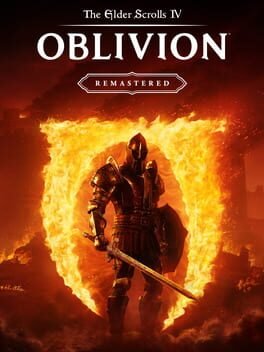
5. The Elder Scrolls IV: Oblivion
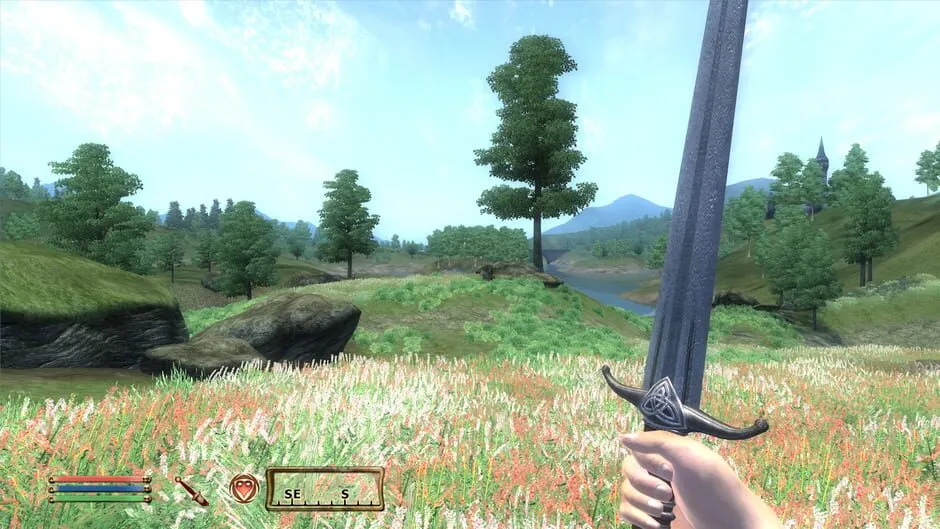
Cyrodiil has a special kind of charm. Its green countryside, cities and ruins invite you to pick a direction and see what happens. The main quest brings a threat to the province, but some of Oblivion's most memorable moments come when you step away from it.
The main story gives that freedom a compelling purpose. After the emperor's assassination, the search for Martin Septim draws you into a struggle to stop the Oblivion crisis. Daedric gates bring that threat into the landscape itself: a peaceful journey through Cyrodiil can lead to a fiery portal and a hostile realm beyond it. The contrast makes the danger feel close, even when you are exploring far from the main quest.
The Dark Brotherhood questline shows how inventive the game's side stories can be, turning a series of assignments into something much more entertaining than a checklist. The Shivering Isles expansion takes that imagination even further, sending players into a strange realm shaped by the Daedric Prince of Madness.
The original's character animations and combat can feel awkward, and its level scaling is not to everyone's taste. The Elder Scrolls IV: Oblivion Remastered offers another way to explore Cyrodiil, with updated visuals and refined gameplay while preserving the original adventure. Whichever version you choose, Oblivion's freedom and willingness to surprise earn it a place on this list.
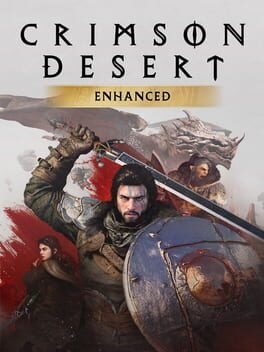
4. Crimson Desert
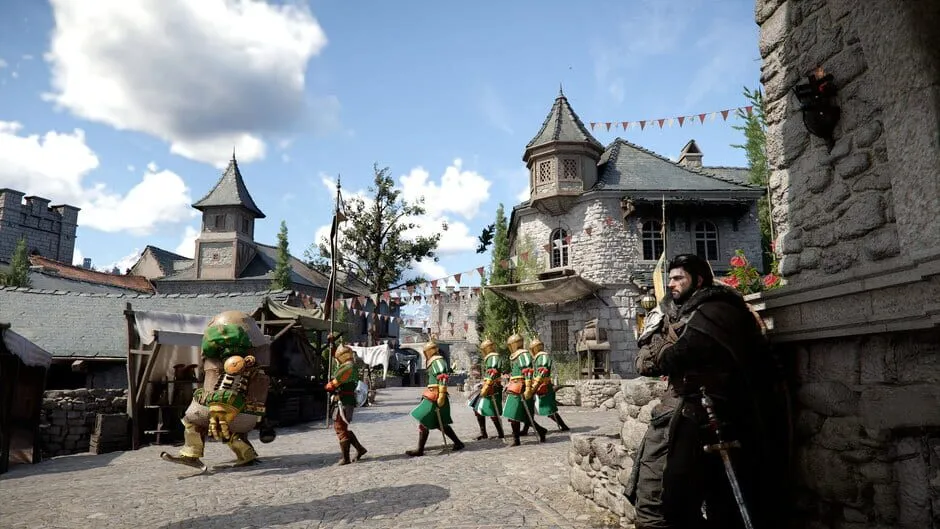
Crimson Desert's Pywel is a fantasy playground built for spectacle. As Kliff, you travel through a world of wilderness, settlements and ruins, with dangerous encounters never far away. Its landscapes offer plenty of reasons to look beyond the next objective.
Variety is a large part of the appeal. You can travel between forests, deserts and mountains, take on powerful enemies, or slow down with activities such as fishing. The Charting the Unknown expansion adds ocean exploration, letting you sail to islands and dive for underwater ruins and treasure. There is room to choose what kind of adventure to pursue, even though Kliff is an established character rather than a hero you create from scratch.
What sets it apart here is the energy of its action. Battles against formidable creatures give exploration a sense of danger, while the variety of places to discover makes Pywel feel like a world built for adventure. It takes a different approach from the character-building freedom of an Elder Scrolls game, putting a defined protagonist at the centre of the journey.
Its place at number four is a vote for ambition and the thrill of exploring a vast fantasy setting. Players looking for quieter role-playing or the intricate quest writing of our top pick may find a different favourite.
3. Elden Ring
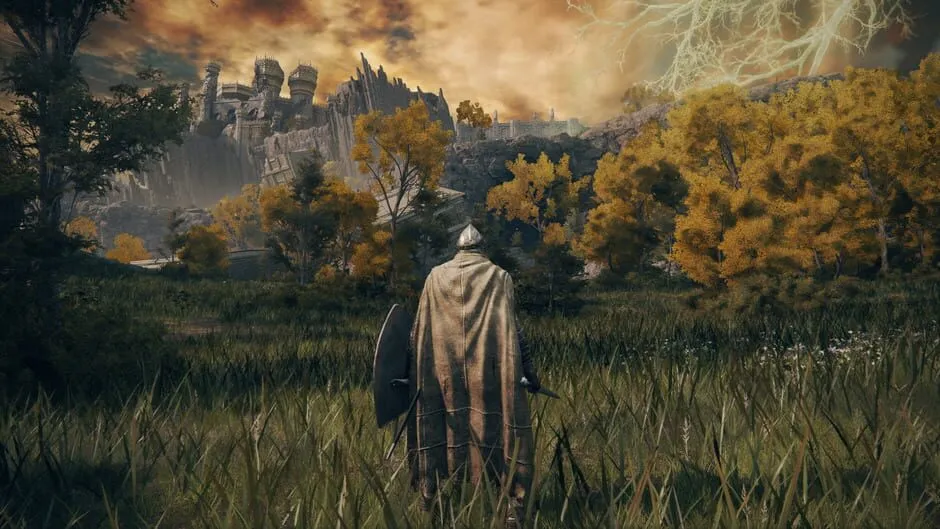
The Lands Between make curiosity feel dangerous and irresistible. A castle on the horizon, a cave tucked into a cliff, or a road leading somewhere ominous can become the start of an entirely different adventure. Elden Ring trusts you to explore, even when you are not sure what you will find.
Its boss battles turn that exploration into moments of genuine drama. Margit guards the approach to Stormveil Castle with punishing attacks that demand patience and timing, while Starscourge Radahn turns a fight into a sprawling battlefield encounter. Their different scales and rhythms make each victory memorable, whether you overcome the challenge alone or bring help into the fight.
That freedom gives its challenges room to breathe. If a boss stops you in your tracks, you can leave, explore another corner of the map and return with new equipment, abilities or simply a better plan. The sense of achievement comes from finding your own way through a world that rarely explains itself fully.
Its difficulty and cryptic storytelling will not suit everyone. For players who enjoy piecing together a world's mysteries and earning each hard-fought victory, few fantasy adventures make discovery feel so rewarding.
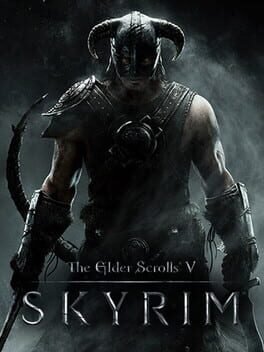
2. The Elder Scrolls V: Skyrim
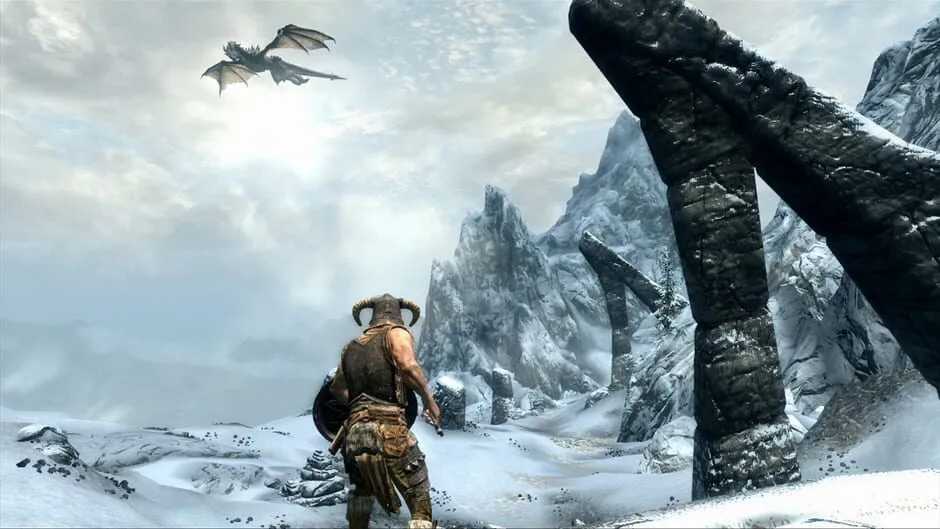
Skyrim is the kind of place where a simple journey can become a story of its own. You set out for one town, spot a cave along the way, and emerge with a new quest and an entirely different destination. Dragons, ancient ruins and snowy mountains give the province its identity, but it is the freedom to wander that keeps it compelling.
Its size matters because you never quite know what will interrupt the journey. A walk through the wilderness might lead to a bandit camp, an ancient Nordic tomb or a dragon appearing overhead. One detour can lead to another, until the destination you chose at the start is a distant memory. Those unexpected encounters make Skyrim a world that is easy to get lost in.
You can pursue the main story, join a faction, build a character around your preferred style or simply follow whatever catches your eye. That flexibility lets the world belong to the player in a way that more tightly directed adventures cannot quite match.
Its combat and individual quests are not always as refined as those in other games on this list. Yet Skyrim understands the appeal of being set loose in a fantasy world and deciding for yourself what matters.
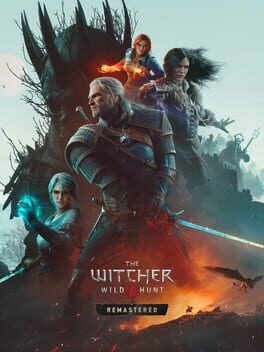
1. The Witcher 3: Wild Hunt
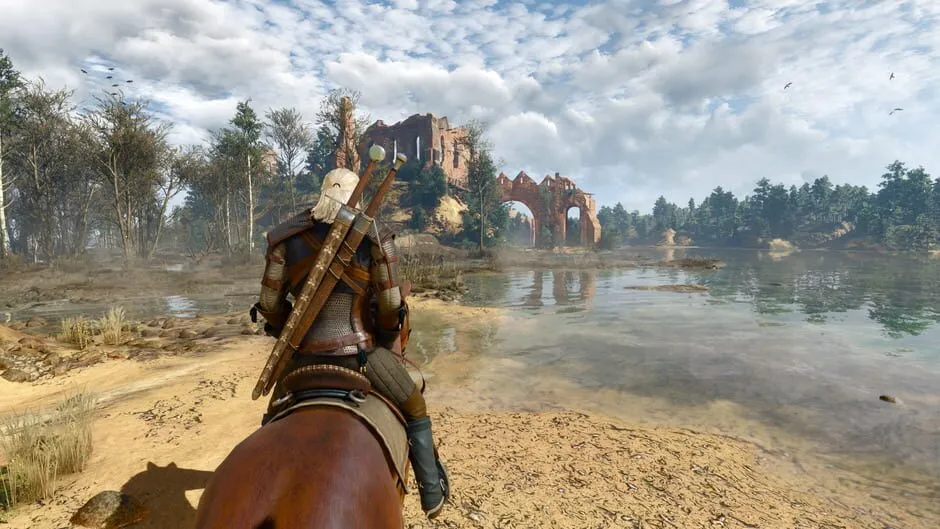
The Witcher 3 takes our top spot because its world gives meaning to the places between the major battles. War has left its mark on villages and roads, and a seemingly modest monster contract can lead to a story about grief, fear or a choice with no comfortable answer.
Velen's muddy villages, Novigrad's crowded streets and Skellige's rugged islands each have a distinct character. Together they create a world that feels lived in, with people's troubles shaped by the places they call home. The Bloody Baron questline is a powerful example of the game's storytelling: Geralt's search for Ciri becomes entangled with a damaged family, asking you to confront its pain without offering easy answers.
That combination of a living setting, memorable characters and stories that linger after a quest ends is why we consider it a contender for the best story ever told in a video game. Its grand adventure matters, but so do the smaller lives Geralt encounters along the way.
Geralt is an established character, so the game offers a different kind of freedom from Skyrim. You are not inventing a hero from scratch, but your decisions shape how his journey unfolds and how he responds to the people he meets. That focus gives the storytelling a strength that carries through both the main quest and many of its side stories.
Its combat may not be the strongest on this list, and its open world is less about creating your own identity than stepping into Geralt's. For us, the trade-off is worth it. Memorable characters and morally difficult choices make the Continent feel like more than a beautiful place to explore.
Our verdict
Each of these worlds earns its place for a different reason. Oblivion draws us in with a compelling, immersive story. Crimson Desert stands out for its variety and the freedom to shape your own adventure. Elden Ring delivers epic boss battles, while Skyrim offers a huge, unpredictable world to get lost in. The Witcher 3 takes our top spot for its living environments and what is, arguably, the best story ever told in a video game.